
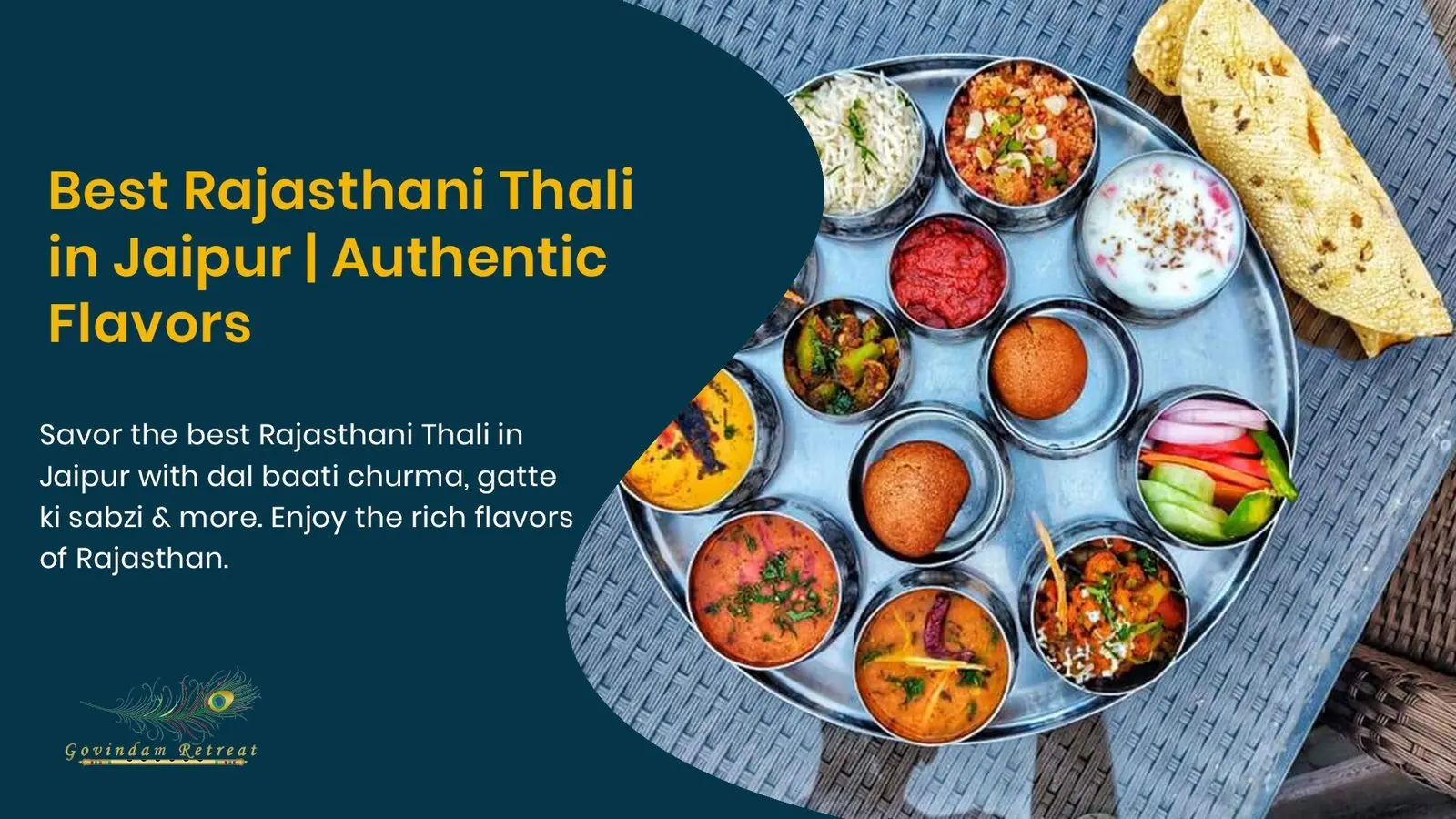
Best Rajasthani Thali in Jaipur | Authentic Culinary Experience
A Rajasthani thali is one of the easiest ways to understand Rajasthan through food.
Instead of choosing one curry and one bread, a traditional thali introduces several tastes on the same plate. Savory dal may sit beside Gatte Ki Sabzi, Ker Sangri, traditional breads, accompaniments, and something sweet. Dal Baati Churma can bring another combination of textures and flavors to the meal.
For tourists visiting Jaipur, this variety makes a thali especially useful. You can taste several regional foods in one sitting while learning how Rajasthan's climate, ingredients, traditions, and hospitality shaped its cuisine.
What Makes the Best Rajasthani Thali in Jaipur Authentic?
An authentic Rajasthani thali should bring together meaningful regional dishes, traditional ingredients, balanced flavors, fresh breads, suitable accompaniments, and Rajasthan hospitality. The experience is not about having the largest number of bowls. It is about tasting foods that genuinely represent the culinary traditions of Rajasthan.
Table of Contents
- What Is a Traditional Rajasthani Thali?
- Famous Dishes in an Authentic Rajasthan Thali
- Dal Baati Churma: The Heart of Rajasthan Dining
- Vegetarian and Jain-Friendly Thali Experience
- How to Identify an Authentic Rajasthani Thali
- Why Tourists Should Try a Rajasthan Thali in Jaipur
- Best Time to Enjoy a Rajasthani Thali
- Experience Rajasthan Dining at Govindam Retreat
- Conclusion
- Frequently Asked Questions
What Is a Traditional Rajasthani Thali?
A thali is a complete meal made up of several preparations served together.
The exact dishes can vary according to restaurant, region, season, and occasion. There is no rule saying every Rajasthan thali must contain exactly the same items.
Variety Is the Main Attraction
A traditional meal may combine:
- Dal
- Regional vegetables
- Gravy dishes
- Traditional breads
- Rice
- Pickles
- Papad
- Chutneys
- Sweet preparations
This allows diners to move between different flavors rather than eating one dish from beginning to end.
Rajasthan's Geography on a Plate
Rajasthan's dry climate influenced the ingredients used by generations of cooks.
Traditional cuisine often makes creative use of:
- Lentils
- Gram flour
- Bajra
- Wheat
- Yogurt
- Ghee
- Dried ingredients
- Desert produce
- Regional spices
A good thali can introduce several of these traditions together.
Hospitality Is Part of the Meal
Traditional dining is also connected with Rajasthan's culture of welcoming guests.
Helpful service, comfortable dining, and guidance for first-time visitors can make the thali experience more meaningful.
Famous Dishes in an Authentic Rajasthan Thali
Some dishes have become closely associated with Rajasthan and regularly appear in conversations about traditional thali dining.
Gatte Ki Sabzi
Gatte Ki Sabzi uses gram-flour dumplings in a flavorful gravy.
The dish shows how cooks developed satisfying recipes using ingredients that were practical in Rajasthan's climate.
Ker Sangri
Ker Sangri is one of Rajasthan's most distinctive regional foods.
Its ingredients are connected with the desert environment, giving visitors a taste that feels strongly linked with the state.
Kadhi
Rajasthan-style Kadhi adds a tangy yogurt and gram-flour element to the meal.
It works well with rice and traditional breads.
Bajra Roti
Bajra, or pearl millet, has long been important in Rajasthan.
Bajra Roti brings an earthy flavor and connects the meal with the region's agricultural traditions.
Missi Roti
Missi Roti adds another bread texture and works naturally with dal and regional curries.
Traditional Accompaniments
Small portions of pickle, chutney, papad, or other accompaniments can refresh the palate and add contrast between richer dishes.
Dal Baati Churma: The Heart of Rajasthan Dining
Dal Baati Churma is one of Rajasthan's most recognizable food combinations.
It consists of three separate elements that work together.
Dal
Dal provides the savory, moist part of the meal.
Lentil combinations and spice levels can differ between kitchens.
Baati
Baati is a baked wheat preparation.
Its firm exterior and softer center give it a texture very different from regular roti.
Baati is commonly broken before eating so that dal can reach the inside.
Churma
Churma adds sweetness.
It creates a strong contrast with savory dal and baati, helping make the complete combination memorable.
Role of Ghee
Ghee can add:
- Aroma
- Richness
- Moisture
- Traditional character
Guests can enjoy the amount that suits their taste and appetite.
How to Eat Dal Baati Churma
First-time diners can:
- Break the baati.
- Add some dal.
- Add ghee according to preference.
- Taste the savory combination.
- Try churma separately.
- Alternate between savory and sweet bites.
This helps you understand each component.
Vegetarian and Jain-Friendly Thali Experience
Rajasthan has a strong vegetarian food culture.
This makes Jaipur particularly interesting for travelers who prefer vegetarian meals.
Traditional Vegetarian Variety
A Rajasthan thali can bring together:
- Lentils
- Gram-flour dishes
- Regional vegetables
- Breads
- Rice
- Dairy preparations
- Desserts
This creates substantial variety without depending on non-vegetarian food.
Jain-Friendly Food
Jain food requires additional attention.
A vegetarian dish may still contain ingredients such as:
- Onion
- Garlic
- Root vegetables
Guests following Jain practices should explain their exact requirements before ordering.
No Onion No Garlic Food
Some diners avoid onion and garlic but do not follow all Jain restrictions.
This should be communicated separately so the restaurant can confirm suitable current choices.
Ask Before Ordering
Dietary needs should never be based on assumptions.
If a requirement is important, ask about ingredients and preparation before placing the order.
How to Identify an Authentic Rajasthani Thali
A huge plate does not automatically mean an authentic plate.
Look for regional character.
Check the Core Dishes
A Rajasthan-focused thali should contain meaningful local preparations rather than only generic North Indian curries.
Look for Regional Ingredients
Ingredients such as:
- Gram flour
- Bajra
- Lentils
- Yogurt
- Ghee
- Ker and Sangri
help give Rajasthan cuisine its identity.
Fresh Bread Matters
Freshly prepared bread can completely change how the curries and vegetables taste.
Balance Is Better Than Excess
A well-designed thali should move naturally between:
- Savory
- Tangy
- Earthy
- Rich
- Sweet
Too many similar heavy dishes can make the meal less enjoyable.
Presentation Should Not Replace Authenticity
Traditional-looking utensils can add visual appeal, but genuine recipes and good preparation matter more.
Why Tourists Should Try a Rajasthan Thali in Jaipur
Food is one of the easiest ways to understand a destination.
Multiple Dishes Without Menu Confusion
First-time visitors may not know the difference between Gatte Ki Sabzi, Ker Sangri, Kadhi, and other regional foods.
A thali lets them explore small portions together.
Experience Rajasthan Beyond Monuments
Jaipur is known for:
- Palaces
- Forts
- Temples
- Markets
- Crafts
Regional food adds another part of the cultural story.
Vegetarian Travelers Have Real Choice
Rajasthan cuisine allows vegetarian tourists to experience authentic local food rather than depending only on standard vegetarian alternatives.
Learn Through Taste
Ker Sangri can teach visitors about desert ingredients.
Bajra Roti connects with local agriculture.
Dal Baati Churma introduces traditional grains, lentils, ghee, and the region's sweet-savory dining style.
Food becomes cultural learning.
Best Time to Enjoy a Rajasthani Thali
Both lunch and dinner can work well.
Rajasthani Thali for Lunch
Lunch is useful during a sightseeing day.
Visitors can enjoy a complete meal and then continue exploring Jaipur.
Rajasthani Thali for Dinner
Dinner allows a slower experience.
Families and tourists can take more time over different dishes and desserts.
Festival Seasons
Festivals can bring seasonal sweets and special food traditions into greater focus.
Availability varies, so ask what is currently being served.
Do Not Arrive Too Full
A thali can be substantial.
If experiencing one for the first time, arrive with a comfortable appetite and begin with small portions.
Experience Rajasthan Dining at Govindam Retreat
Govindam Retreat is near Govind Dev Ji Temple in Jaipur's heritage area, giving tourists and families an opportunity to connect vegetarian dining with the city's cultural attractions.
Explore Regional Food
Guests interested in Rajasthan cuisine can ask which regional dishes and thali-style options are currently available.
Specific menus can change, so confirm a particular dish if it is the main reason for your visit.
Dining Near Govind Dev Ji Temple
The location can be useful for:
- Temple visitors
- Families
- Tourists
- Heritage travelers
A meal can fit naturally around sightseeing.
Combine Dining With Jaipur Attractions
Visitors may plan around:
- Govind Dev Ji Temple
- City Palace
- Historic Pink City
- Traditional markets
- Nearby cultural areas
This reduces unnecessary travel.
Make the Meal Part of Your Journey
Do not rush through a traditional thali.
Taste the dishes individually, ask what they contain, and understand how they fit into Rajasthan cuisine.
That is when a restaurant meal becomes an authentic culinary experience.
Conclusion
The best Rajasthani thali in Jaipur is not necessarily the one with the most dishes.
The stronger experience comes from authentic regional recipes, balanced flavors, fresh preparation, traditional ingredients, vegetarian variety, and thoughtful hospitality.
Dal Baati Churma brings savory and sweet together. Gatte Ki Sabzi introduces Rajasthan's gram-flour traditions. Ker Sangri connects the meal with the desert. Bajra Roti reflects local grains. Traditional accompaniments and sweets complete the journey.
For tourists and families exploring Jaipur's heritage area, Govindam Retreat near Govind Dev Ji Temple provides a setting where vegetarian dining can connect with Rajasthan's wider culinary culture.
If you are visiting specifically for a Rajasthani thali or individual regional dish, confirm current availability before arriving.
Eat slowly, explore each flavor, and allow the meal to tell you something about Rajasthan.